

Product Details:
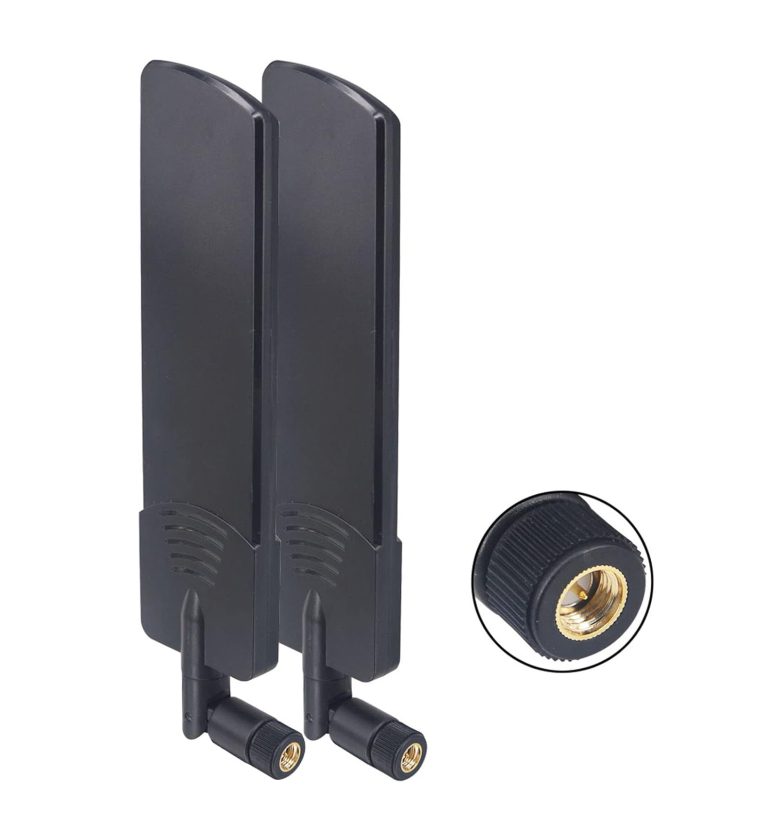
Name:2.4G/4G/5G Wifi Antenna
Frequency Range: 698-2700Mhz
Gain: 5dBi
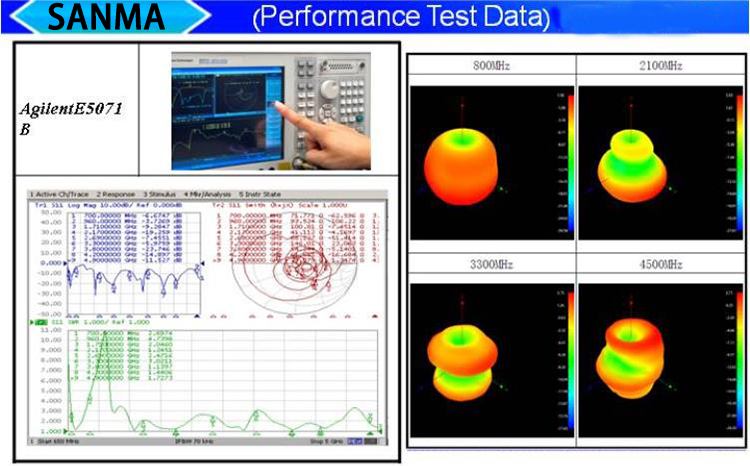
V.S.W.R: ≤2.0
Polarization: Vertical
Input impedance: 50Ω
Size: 200*45 mm
Connector: SMA / RP-SMA
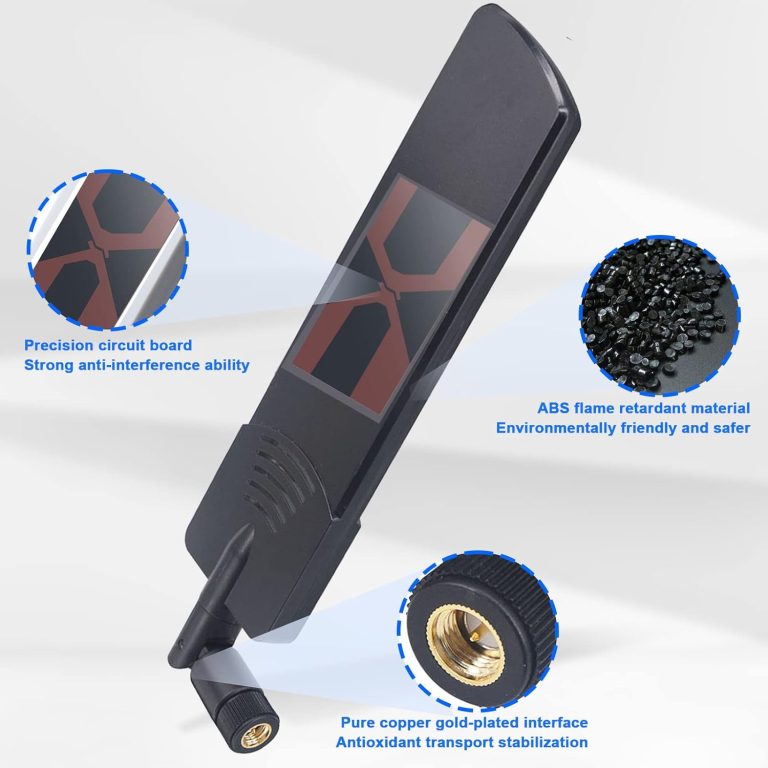
1. Plastic housing; waterproof and moisture-resistant.
2. High gain and broad compatibility.
3. Premium connectors and high-quality receiving elements ensure excellent signal performance.
4. Securely damped connector ensures the antenna remains stable and does not loosen.
5. Highly competitive pricing; a best-selling product worldwide.
Direct from OEM factory: Suitable for various devices, routers, and antennas supporting 2G/3G/4G/5G networks.
Cable length, cable type, and connector specifications can be customized to meet customer requirements.
Packaging: Individual antennas packed in transparent plastic bags; 100 units per large plastic bag; 200 units per carton; OEM custom packaging available.
How to Choose the Right Communication Antenna: A Complete Guide
Choosing the right communication antenna is essential for achieving stable wireless connectivity, reliable signal transmission, and optimal device performance. Whether you are developing IoT devices, industrial equipment, wireless routers, vehicle communication systems, or smart city solutions, selecting a suitable communication antenna can significantly affect the performance of your product.
With various antenna types, frequency bands, gain levels, and installation requirements available, finding the right solution requires careful evaluation. This guide explains five key factors to consider when choosing a communication antenna for your application.
1. Identify the Required Frequency Bands and Wireless Technology
Frequency compatibility is the first factor to consider when selecting a communication antenna. Different wireless technologies operate across different frequency bands, and the antenna must support the frequencies used by your communication module.
Common communication antenna types include:
* 2.4 GHz antenna: Widely used for WiFi, Bluetooth, and other short-range wireless applications.
* 5 GHz antenna: Commonly used in WiFi systems requiring higher-capacity wireless connectivity.
* 4G LTE antenna: Designed for cellular communication, remote monitoring, industrial IoT, and mobile connectivity.
* 5G antenna: Supports compatible 5G frequency bands for modern wireless communication devices.
* Sub-GHz antenna: Used in selected IoT, telemetry, remote control, and low-power wireless systems.
Before purchasing a communication antenna, check the operating frequency, bandwidth, and supported wireless standards of your device. For example, a 4G LTE antenna may not cover every frequency band used by a 5G system, while a 2.4 GHz WiFi antenna is not automatically suitable for 5 GHz WiFi.
For devices operating across multiple bands, a multiband communication antenna may provide a more compact solution than installing several separate antennas. However, its performance must be verified across all required frequencies.
2. Choose the Right Antenna Type, Gain, and Radiation Pattern
Communication antennas are available in different designs, including PCB antennas, FPC antennas, external rod antennas, panel antennas, and compact embedded antennas. Each type offers different advantages depending on the application.
PCB and FPC antennas are suitable for compact electronic products, wireless modules, and embedded IoT devices where installation space is limited.
External antennas are commonly used in industrial routers, gateways, smart meters, and wireless terminals. Their flexible mounting options can help improve antenna placement and simplify product integration.
Directional antennas concentrate radiation in a particular direction and are useful for point-to-point wireless links or applications requiring targeted coverage. Omnidirectional antennas provide broader horizontal coverage and are commonly used in mobile communication and general wireless connectivity.
Antenna gain is another important consideration. Higher gain does not always mean better performance. A high-gain antenna may provide stronger coverage in certain directions but a narrower radiation pattern, depending on its design.
When comparing communication antennas, evaluate gain, radiation pattern, polarization, impedance, and bandwidth together. The best antenna is the one that provides suitable coverage and reliable connectivity for your specific application, not necessarily the one with the highest advertised gain.
3. Consider the Installation Environment and Device Design
The installation environment can significantly influence communication antenna performance. Even a well-designed antenna may perform poorly if it is installed incorrectly or surrounded by materials that interfere with radio-frequency signals.
For indoor devices, such as wireless routers, smart home products, and IoT gateways, consider the enclosure material, available space, antenna orientation, and distance from other electronic components.
For outdoor and industrial applications, the antenna may need to withstand moisture, dust, vibration, temperature changes, and mechanical stress. Vehicle communication systems may also require antennas designed for mobile environments and suitable mounting structures.
Metal enclosures, batteries, circuit boards, cables, and nearby antennas can affect impedance matching and radiation performance. Therefore, the antenna should ideally be evaluated in the final device rather than only in an isolated laboratory setup.
Before choosing a communication antenna, confirm its dimensions, mounting method, cable length, connector type, operating temperature, and required ingress protection rating. For demanding projects, request relevant test data and installation recommendations from the antenna manufacturer.
4. Check Compatibility, Signal Performance, and Certification Requirements
A communication antenna must work properly with the wireless module and the complete electronic system. Important specifications include impedance, VSWR, gain, bandwidth, connector type, cable loss, and polarization.
A 50-ohm impedance is common in many RF communication systems, but the antenna interface should always be checked against the module manufacturer’s requirements. Connector selection is equally important because incompatible connectors or excessive cable losses can affect system performance.
For cellular communication applications, evaluate antenna performance across the required LTE or 5G bands. For WiFi devices, confirm support for the intended 2.4 GHz and/or 5 GHz operating bands. Multiband products should be tested across their full operating range.
Certification requirements also deserve attention. Depending on the target market and product type, the complete device may need to meet applicable radio, electromagnetic compatibility, and safety requirements. An antenna specification alone does not guarantee that the finished device will pass certification testing.
For new product development, antenna samples and engineering support can help identify integration issues before mass production. Testing the antenna in the actual enclosure is an important step toward achieving consistent wireless performance.
5. Work with an Experienced Communication Antenna Manufacturer
Standard communication antennas may not satisfy every product requirement. Working with an experienced communication antenna manufacturer can help you find a solution that balances performance, size, cost, and production feasibility.
Customization options may include operating frequency, antenna dimensions, gain characteristics, cable length, connector selection, mounting structure, housing materials, and multiband integration. For projects involving 4G, 5G, WiFi, GNSS, or other wireless technologies, the antenna design should match the device’s actual operating requirements.
When evaluating a communication antenna supplier, consider its antenna design capabilities, RF testing equipment, engineering support, quality-control procedures, production capacity, and delivery reliability. Request technical specifications and samples, and establish clear acceptance criteria before mass production.
At SANMA Antenna, we focus on antenna design and manufacturing for diverse wireless communication applications. With engineering experience, antenna testing capabilities, and production support, we help customers evaluate antenna requirements and develop suitable solutions for their products.
Whether you need a 4G LTE antenna, 5G antenna, WiFi antenna, or customized communication antenna, selecting the right design begins with a clear understanding of your device, operating environment, and performance targets.
Conclusion
Choosing the right communication antenna involves evaluating frequency compatibility, antenna type and gain, installation conditions, RF performance, and manufacturer capabilities. By considering these five factors, you can improve wireless connectivity, simplify product integration, and select an antenna solution that meets your application requirements.
Contact SANMA Antenna to discuss your communication antenna project, request product specifications, or explore customized antenna design and manufacturing solutions.