
Product Details:
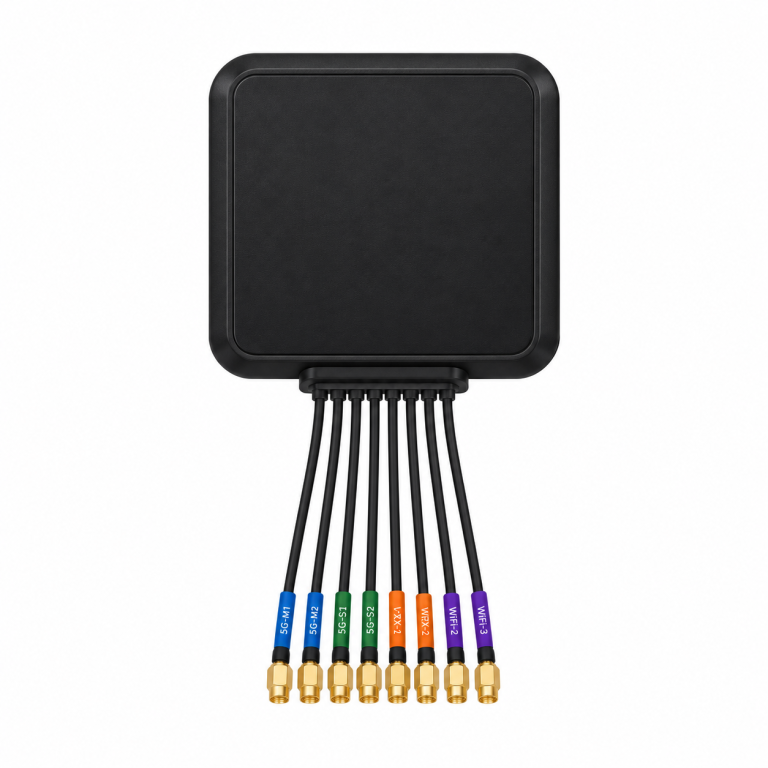
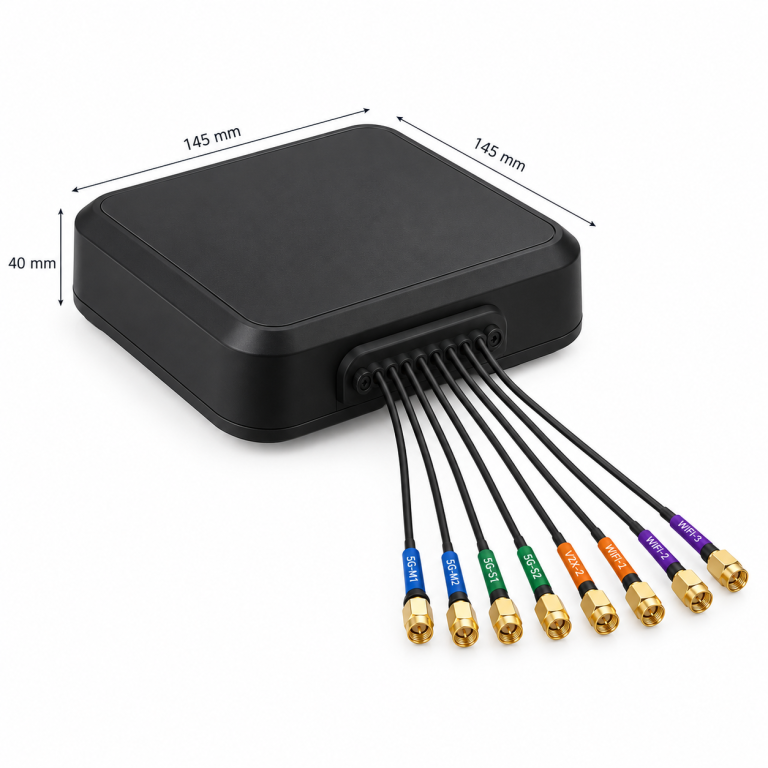
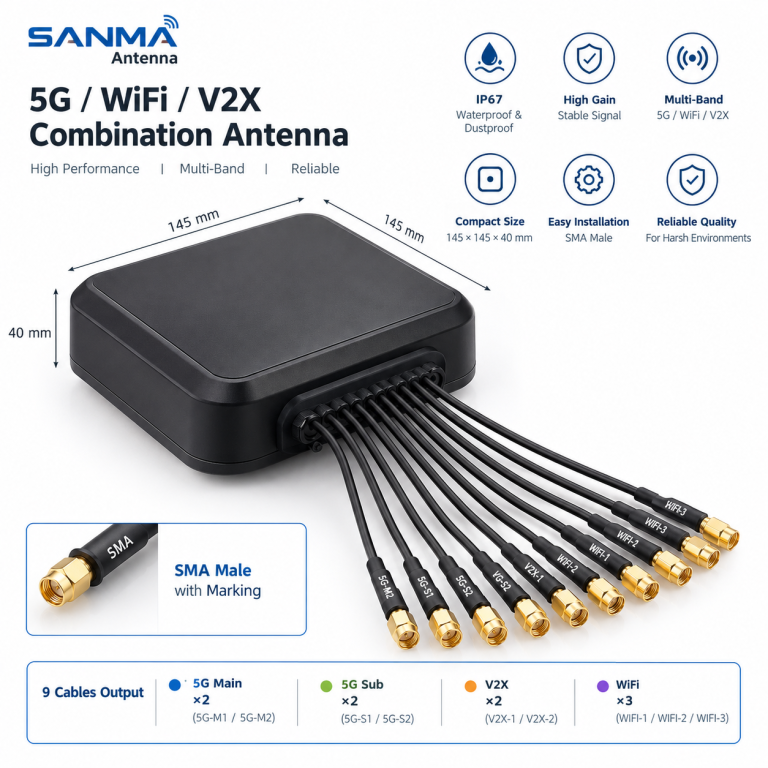
Name: 2x 5G Main+2x 5G Aux,+2x V2X+3x Wi-Fi Combined Antenna
Frequency Range: 700-2700Mhz
Gain: 6dBi
V.S.W.R: ≤2.0
Polarization: Vertical
Input impedance: 50Ω
Size: 145*145*40mm
Cable: RG174 /RG178
Cable length: 1.5m/3m/5m
Connector: SMA male/RP-SMA male/IPEX
1. Plastic-encapsulated design; waterproof and moisture-resistant.
2. Compact size; easy to install and use; suitable for a wide range of applications.
3. High gain and high performance.
4. Customizable frequency.
5. Competitive pricing; a global best-seller.
Direct from OEM factory: GSM/GPRS/3G/4G/5G antennas for indoor and outdoor cabinets (featuring waterproof and anti-theft capabilities).
Cable length, cable type, and connector specifications can all be customized to meet customer requirements.
Packaging: Each antenna is packed in a transparent plastic bag; 100 units per large bag; 200 units per carton; custom packaging solutions available.
How to Choose the Right Communication Antenna: A Complete Guide
Selecting the right communication antenna is crucial for achieving stable wireless connections, reliable signal transmission, and optimal device performance. Whether you are developing IoT devices, industrial equipment, wireless routers, automotive communication systems, or smart city solutions, the choice of antenna significantly impacts product performance.
Given the wide variety of antenna types, frequency bands, gain levels, and mounting requirements, finding the right solution requires careful evaluation. This guide outlines five key factors to consider when selecting a communication antenna for your application.
1. Determine the required frequency bands and wireless technologies
Frequency compatibility is the primary consideration when selecting a communication antenna. Different wireless technologies operate on different frequency bands; therefore, the antenna must support the frequencies used by your communication module.
Common types of communication antennas include:
* 2.4 GHz antennas: Widely used for Wi-Fi, Bluetooth, and other short-range wireless applications.
* 5 GHz antennas: Commonly used in Wi-Fi systems requiring higher-capacity wireless connections.
* 4G LTE antennas: Designed for cellular communication, remote monitoring, Industrial IoT (IIoT), and mobile connectivity.
* 5G antennas: Support the 5G frequency bands required by modern wireless communication devices.
* Sub-GHz antennas: Used for specific IoT, telemetry, remote control, and low-power wireless systems.
Before purchasing a communication antenna, be sure to verify the device’s operating frequency, bandwidth, and supported wireless standards. For example, a 4G LTE antenna may not cover all frequency bands used by 5G systems, and a 2.4 GHz Wi-Fi antenna is not necessarily suitable for 5 GHz Wi-Fi.
For devices operating across multiple frequency bands, a multi-band communication antenna may offer a more compact solution compared to installing multiple separate antennas. However, it is essential to verify its performance across all required frequencies.
2. Selecting the Appropriate Antenna Type, Gain, and Polarization
Communication antennas come in various designs, including PCB antennas, FPC antennas, external rod antennas, flat-panel antennas, and compact embedded antennas. Each type offers distinct advantages depending on the specific application scenario.
PCB and FPC antennas are suitable for compact electronic products, wireless modules, and embedded IoT devices where installation space is limited.
External antennas are commonly used in industrial routers, gateways, smart meters, and wireless terminal devices. Their flexible installation options help optimize antenna placement and simplify product integration.
Directional antennas concentrate radiated energy in a specific direction, making them suitable for point-to-point wireless links or applications requiring targeted coverage. In contrast, omnidirectional antennas provide broader horizontal coverage and are commonly used for mobile communications and general wireless connectivity.
Antenna gain is another important consideration. Higher gain does not necessarily equate to better performance; depending on the design, while a high-gain antenna may offer stronger coverage in a specific direction, it typically features a narrower radiation pattern.
When comparing communication antennas, one should comprehensively evaluate parameters such as gain, radiation pattern, polarization, impedance, and bandwidth. The ideal antenna is one that delivers the appropriate coverage and reliable connectivity for your specific application—it is not necessarily the product with the highest nominal gain.
3. Consider the Installation Environment and Device Design
The installation environment significantly affects the performance of communication antennas. Even a well-designed antenna may suffer from severely degraded performance if installed improperly or placed near materials that interfere with RF signals.
For indoor devices such as wireless routers, smart home products, and IoT gateways, factors such as housing material, available space, antenna orientation, and proximity to other electronic components must be considered.
For outdoor and industrial applications, antennas may need to withstand moisture, dust, vibration, temperature fluctuations, and mechanical stress. Automotive communication systems, meanwhile, may require antennas and mounting structures specifically designed for mobile environments.
Metal housings, batteries, circuit boards, cables, and nearby antennas can all impact impedance matching and radiation performance. Therefore, the ideal approach is to evaluate the antenna within the final device rather than relying solely on tests conducted in an isolated laboratory setting.
Before selecting a communication antenna, verify its dimensions, mounting method, cable length, connector type, operating temperature range, and required ingress protection (IP) rating. For demanding projects, it is advisable to request relevant test data and installation recommendations from the antenna manufacturer.
4. Check Compatibility, Signal Performance, and Certification Requirements
Communication antennas must operate effectively in conjunction with the wireless module and the overall electronic system. Key technical specifications include impedance, Voltage Standing Wave Ratio (VSWR), gain, bandwidth, connector type, cable loss, and polarization.
While 50-ohm impedance is common in many RF communication systems, it is essential to verify antenna interface specifications against the module manufacturer’s requirements. The choice of connector is also critical, as mismatched connectors or excessive cable loss can compromise system performance.
For cellular applications, antenna performance must be evaluated across the required LTE or 5G frequency bands. For Wi-Fi devices, compatibility with the intended 2.4 GHz and/or 5 GHz operating bands must be confirmed. Multi-band products should be tested across their entire operating range.
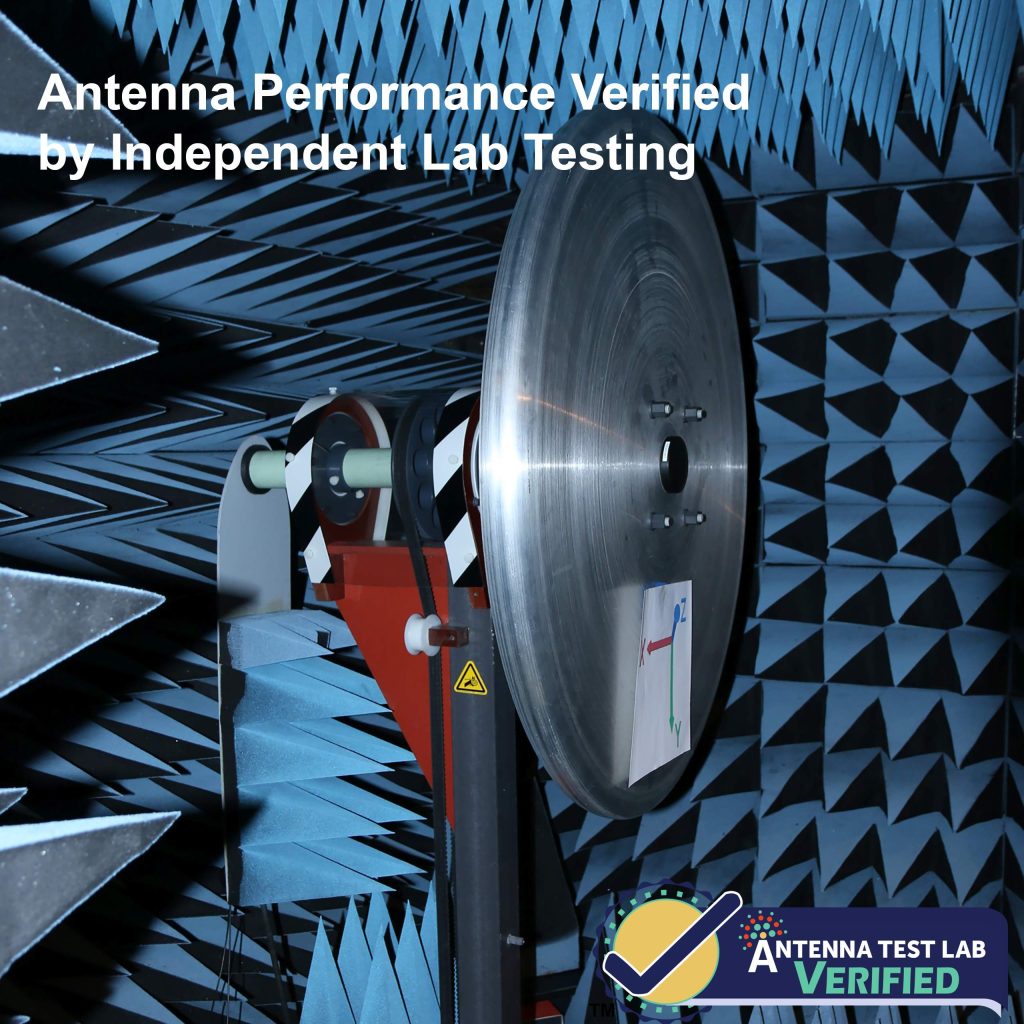
Sanma Antenna is a professional antenna manufacturer equipped with multiple anechoic chambers; the company conducts targeted testing based on specific frequency and performance requirements to ensure the antenna is perfectly matched to the device.
5. Partner with an Experienced Communication Antenna Manufacturer
Standard communication antennas may not always meet every product requirement. Partnering with an experienced manufacturer helps you find solutions that balance performance, size, cost, and manufacturability.
Customization options cover operating frequencies, antenna dimensions, gain characteristics, cable lengths, connector types, mounting structures, housing materials, and multi-band integration. For projects involving 4G, 5G, WiFi, GNSS, or other wireless technologies, the antenna design must align with the device’s specific operational needs.
SANMA Antenna specializes in the design and manufacture of antennas for a wide range of wireless communication applications. Leveraging extensive engineering expertise, professional testing capabilities, and production support, we help clients assess their antenna requirements and develop optimal solutions for their products.
Whether you need antennas for 2G, 3G, 4G, or 5G, or communication antennas with custom frequencies, we provide complimentary tuning and optimization to ensure we deliver superior antennas to our customers. “Better Antenna, Better Connection” is our guiding principle.
Conclusion
When selecting a suitable communication antenna, five key factors should be considered: frequency, antenna type and gain, mounting style, RF performance, and the manufacturer’s capabilities. Evaluating these factors allows you to optimize wireless connectivity—ensuring stronger, more stable signals—and ultimately boost your product’s sales performance.
We invite you to contact SANMA Antenna to discuss your communication antenna project, request product specifications, or learn more about our custom antenna design and manufacturing solutions.